
Landlords and Tenants Lawyer
SAN INCREASINGLY COMPLICATED RELATIONSHIP
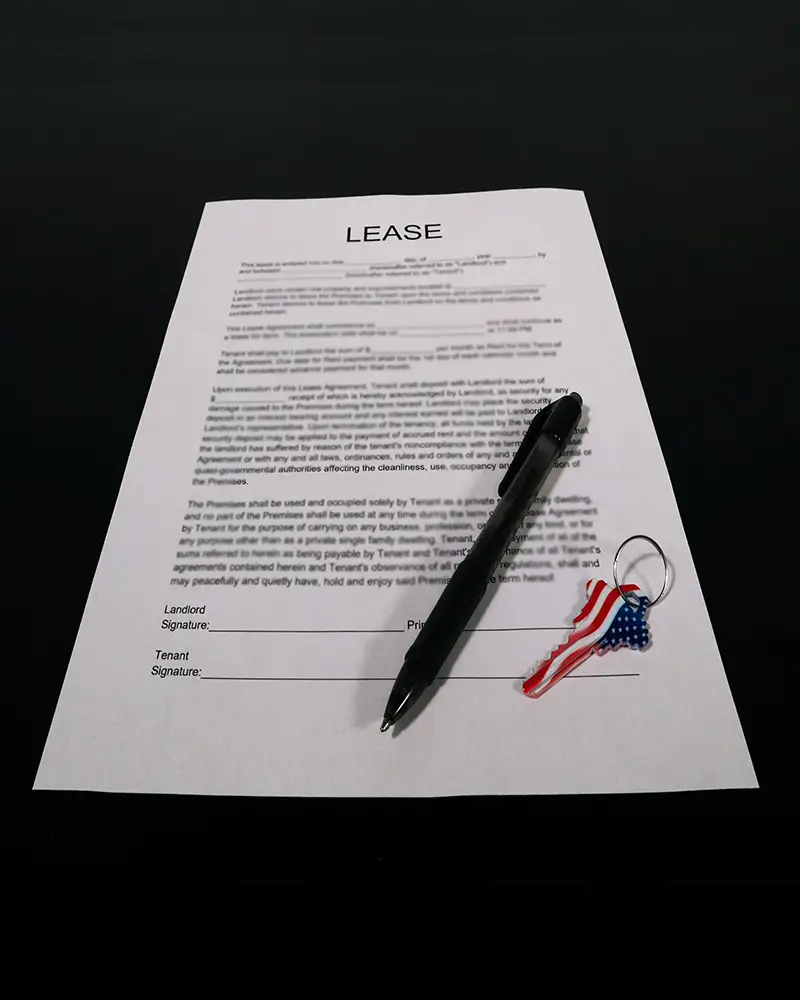
Leases and the landlord-tenant relationships they create were very complicated to begin with, and Colorado has made the matter more complicated in recent years. Since 2024, Colorado has overhauled its laws on warranty of habitability and issued new laws regarding pricing disclosures in leases, just to name a few. Whether the lease is for someone’s home or the principal place for their business, in either event it is one of the most important relationships the tenant will have. The lease might be one of the longest documents the tenant has to review, too. Competent counsel is critical.
UNDERSTANDING THE RESPONSIBILITIES.
Far too many people, especially new business owners or small landlords, fail to read and understand the terms of their lease. Just borrowing terms that you found online or using standard terms provided by a broker is an easy way to end up in court later because you were not aware of what you were agreeing to. Who is responsible for repairs if the property is damaged? How does the landlord or tenant make sure the other one has the appropriate insurance? Does the landlord have a security interest in the business’ property that conflicts with other security agreements? Is the landlord accidentally violating local or state law in how the agreement is drafted?
AIMING FOR A COOPERATIVERELATIONSHIP.
Ideally, landlord and tenant would both respect each other and focus on keeping rent paid, the tenant happy, and the property in good condition. This requires both parties to understand the terms of the lease and each other’s practical realities.
AN ORDERLY EVICTION PROCESS.
A landlord facing a nonpaying tenant usually has the ability to remove the tenant and find someone that will pay. But, Colorado law may impose some specific notice and time restrictions on this right. Especially for residential property, a landlord may be surprised to find they cannot simply change the locks and retake possession, no matter how unreasonable the tenant may be.
If You Need Help With a Landlord-Tenant Matter, Contact Moriarty Underhill LLC Today For A Consultation!
FREQUENTLY ASKED QUESTIONS
Colorado’s warranty of habitability requires landlords to maintain rental properties in a condition fit for human habitation. Since 2024, the standards have been updated and expanded. Landlords must address conditions that materially affect health and safety — including issues with heating, plumbing, ventilation, and structural integrity — within specific timeframes or face legal consequences including rent withholding by the tenant.
It depends on the reason for eviction. For non-payment of rent, Colorado currently requires a written demand for payment before an eviction can proceed. For lease violations, separate notice and cure periods apply. Residential evictions in particular follow a strict process — a landlord who skips steps or uses the wrong notice can have the case dismissed and have to start over, causing significant delays.
A landlord may withhold all or part of a security deposit to cover unpaid rent or damage beyond normal wear and tear, but must provide a written itemized statement and return any remaining deposit within one month of the tenancy ending (or up to 60 days if the lease allows). Failing to comply can expose the landlord to a claim for triple the wrongfully withheld amount plus attorney fees.
Key issues include who is responsible for repairs and maintenance, what the landlord’s rights are to access the premises, whether the landlord holds a security interest in the tenant’s business property, personal guarantee requirements, permitted use clauses, assignment and subletting rights, and what triggers a default. Commercial leases often lack the consumer protections that apply to residential leases, so independent legal review before signing is critical.
Colorado’s relatively new pricing disclosure requirements apply to certain residential leases and require landlords to be upfront about total costs and fees. Violations can give tenants grounds to challenge lease terms or seek remedies. The law is still being interpreted in practice, which makes it important for landlords to have current legal guidance when drafting or updating lease agreements.